The Ricks Family
Descendants of George & Eliza Ricks

We've come this far by faith.

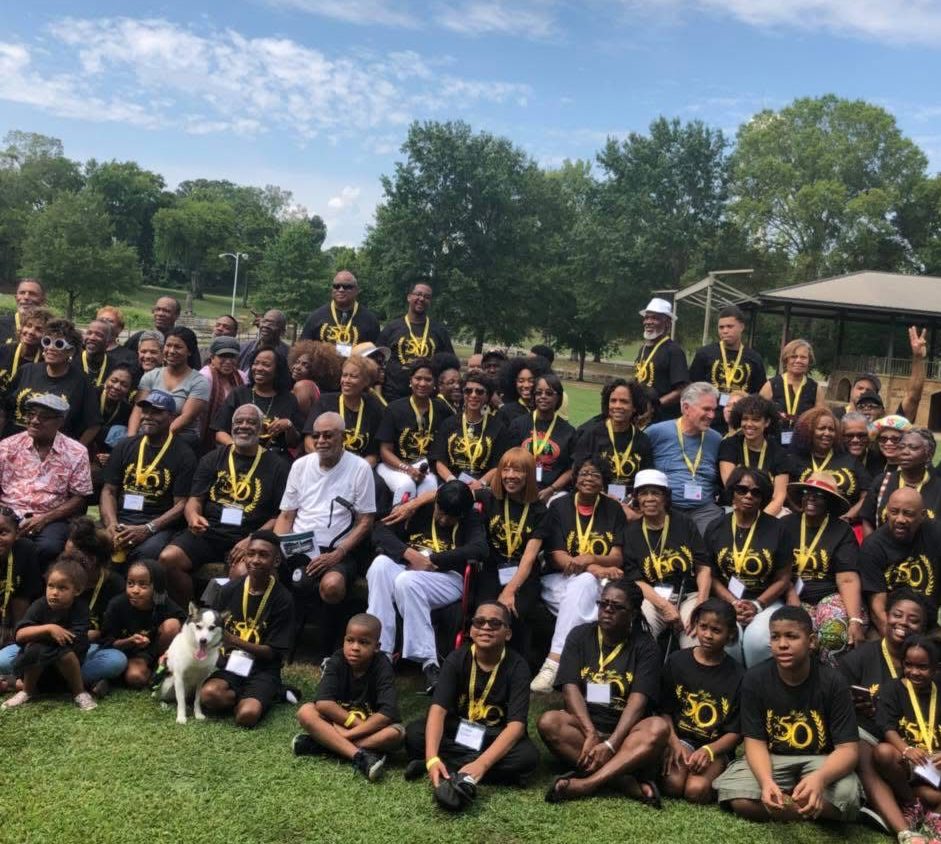
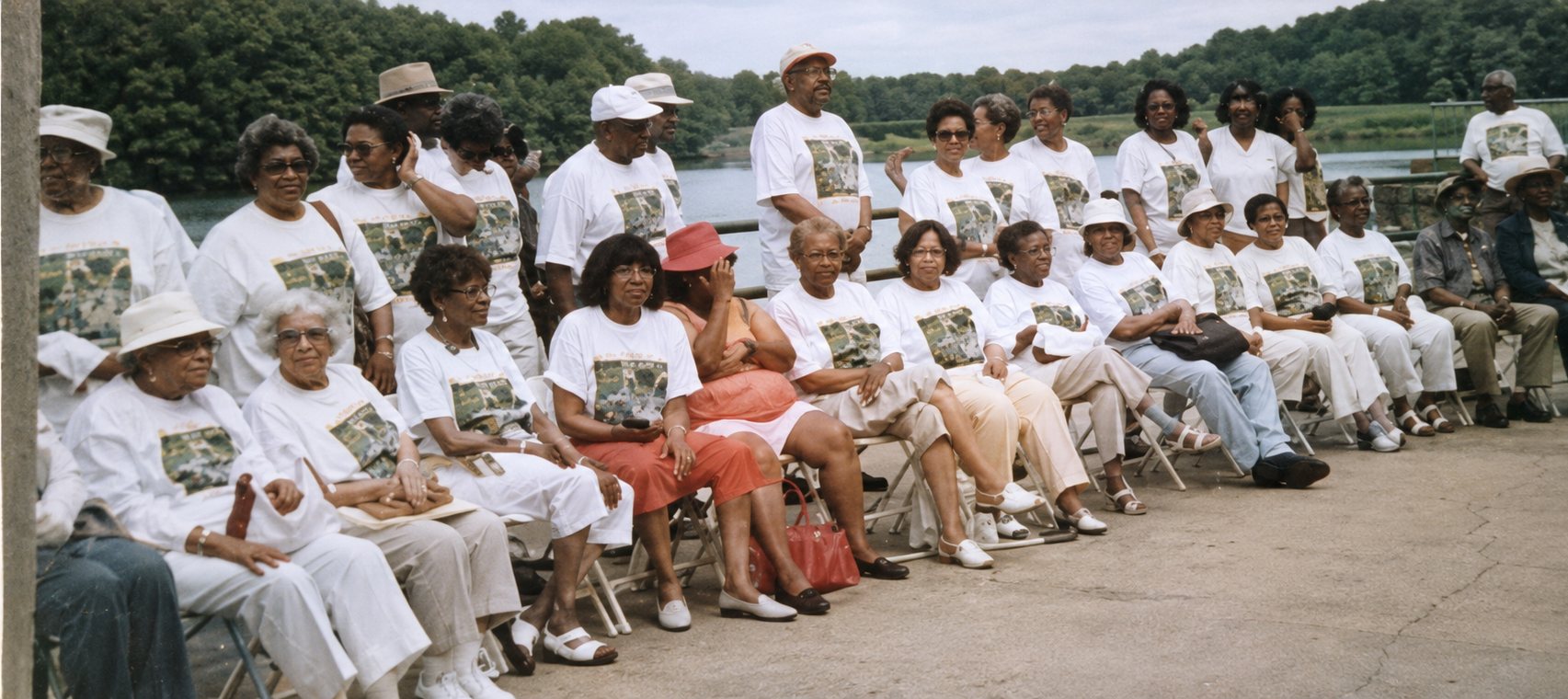
From Liberia to Colbert County, Alabama, and now from coast to coast. Every two years we gather to honor the couple who started it all and to keep our family heritage alive.

A lineage passed down for over 150 years
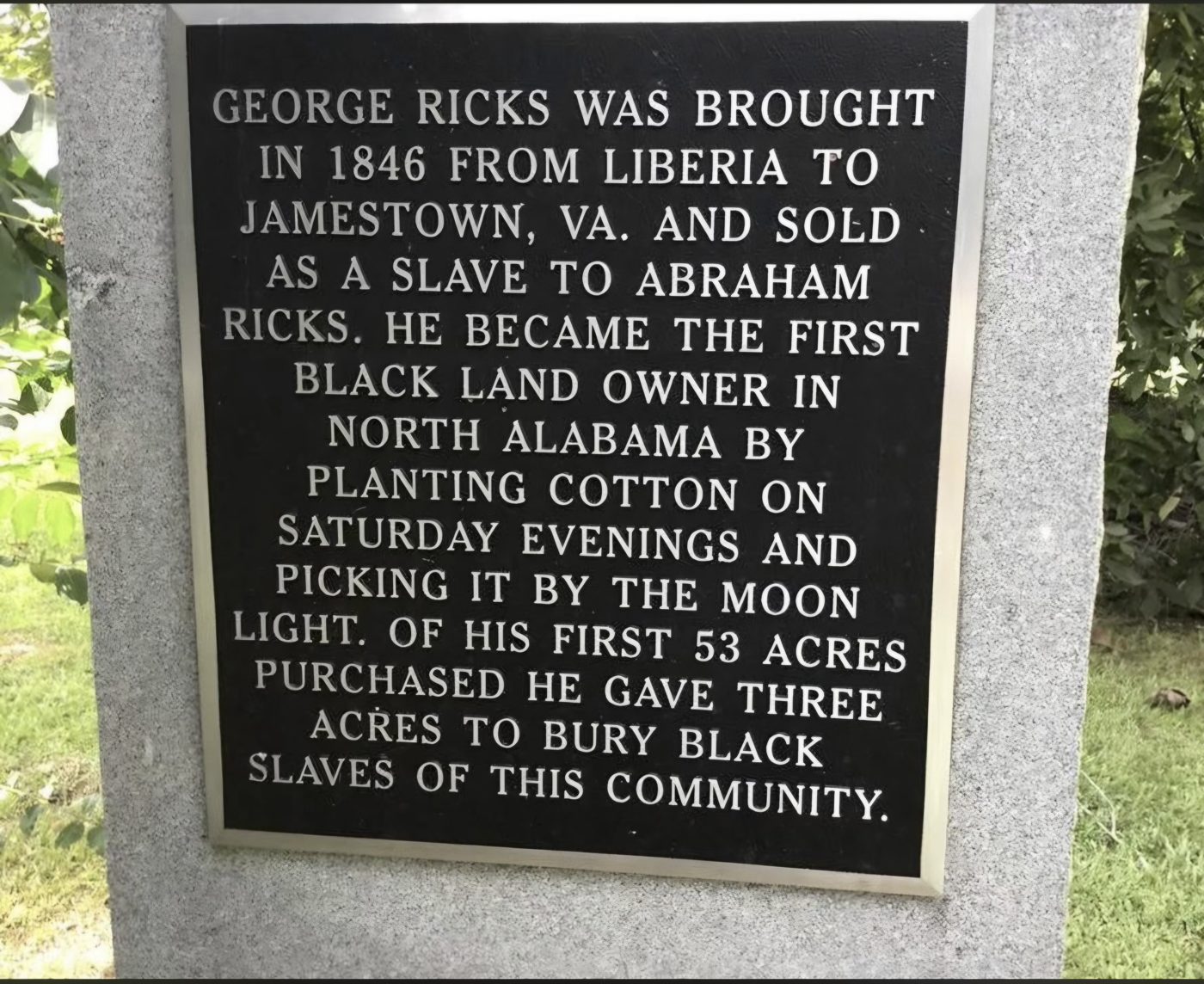
Historical marker: George Ricks was brought in 1846 from Liberia to Jamestown, Virginia, and sold as a slave to Abraham Ricks. He became the first Black land owner in North Alabama by planting cotton on Saturday evenings and picking it by the moonlight. Of his first 53 acres purchased he gave three acres to bury Black slaves of this community.
Our Mission Statement
In tribute to our ancestors, we the descendants of George and Eliza Ricks will diligently work together, at any cost, to keep our family heritage alive.
Our Story

Born enslaved. Died a landowner.

George Ricks was a farmer, a preacher, and a self-made man. Eliza Ricks was a homemaker who loved to cook and care for her family. Behind every great man, there is a great woman.
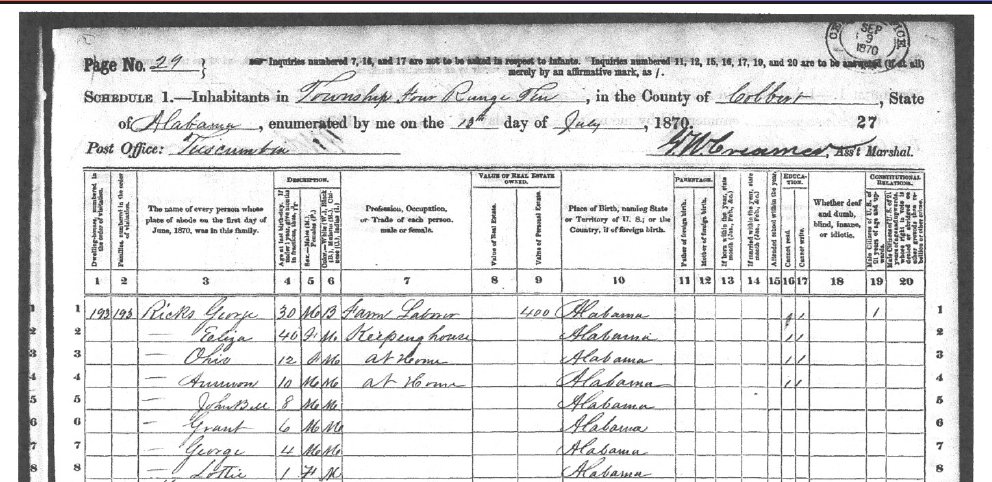
1870 U.S. Census page for Colbert County, Alabama, listing George Ricks, Eliza, and their children Ohio, Ammon, John Bell, Grant, George, and Lottie
1870 U.S. Census, Colbert County, Alabama, taken July 13, 1870. George and Eliza are listed with Ohio, Ammon, John Bell, Grant, George, and Lottie. Tap to enlarge.
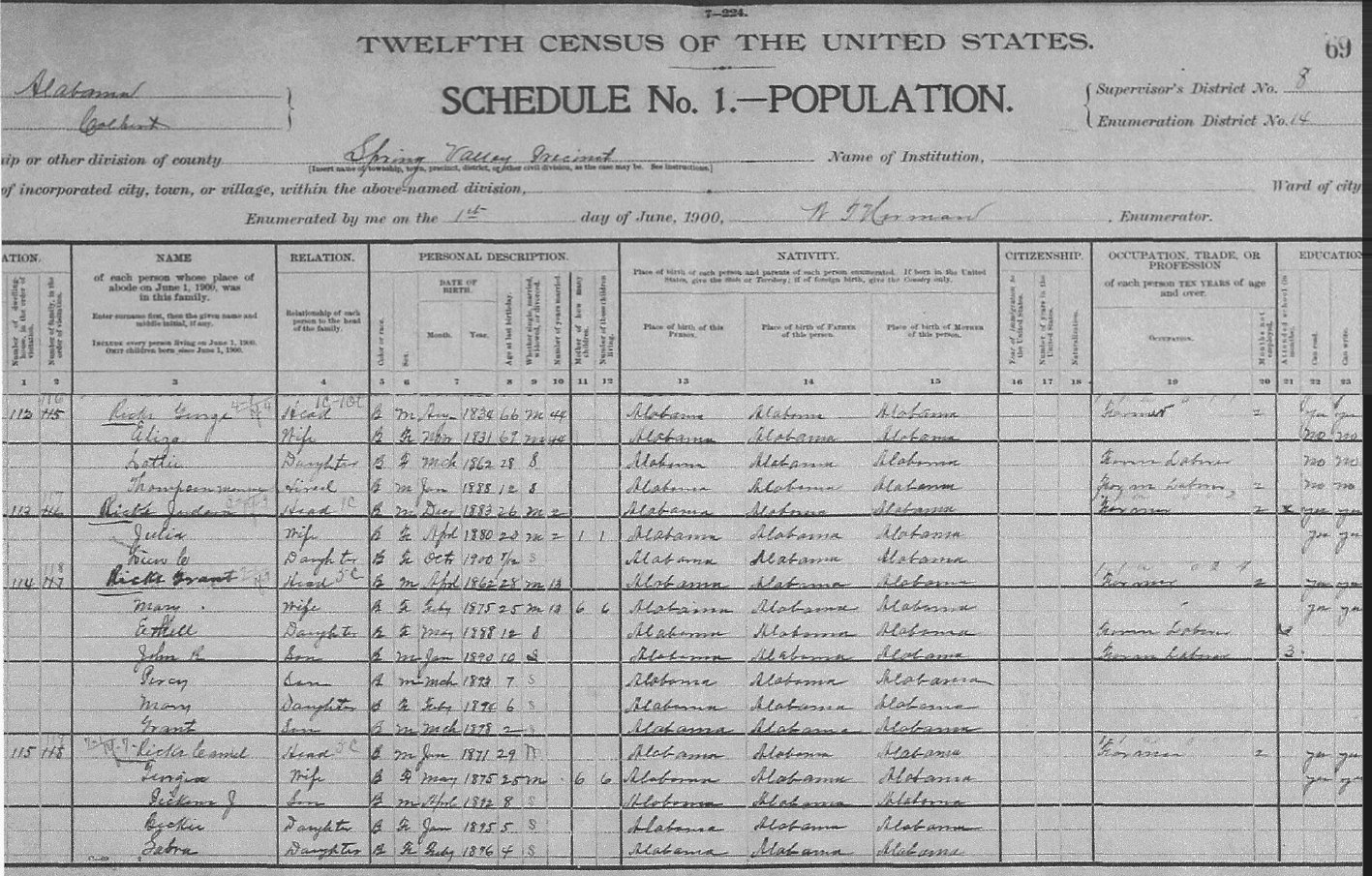
1900 U.S. Census page for Spring Valley Precinct, Colbert County, Alabama, listing George and Eliza Ricks with Lottie, followed by the households of Judson Ricks, Grant Ricks, and other Ricks family members
1900 U.S. Census (Twelfth Census), Spring Valley Precinct, Colbert County, Alabama, taken June 1, 1900. Tap to enlarge.

The 12th Census was the earliest complete census available (and not all information is accurate). An 1850 Slave Schedule shows no names. For the purpose of this narrative the dates used will be based on this Census.

The 12th Census (Spring Valley Precinct – Colbert County) counted only those households that had a child 12 years old or younger. Living with Parson George and Eliza at the time was Monroe Thompson, a 12-year-old “hired hand.”

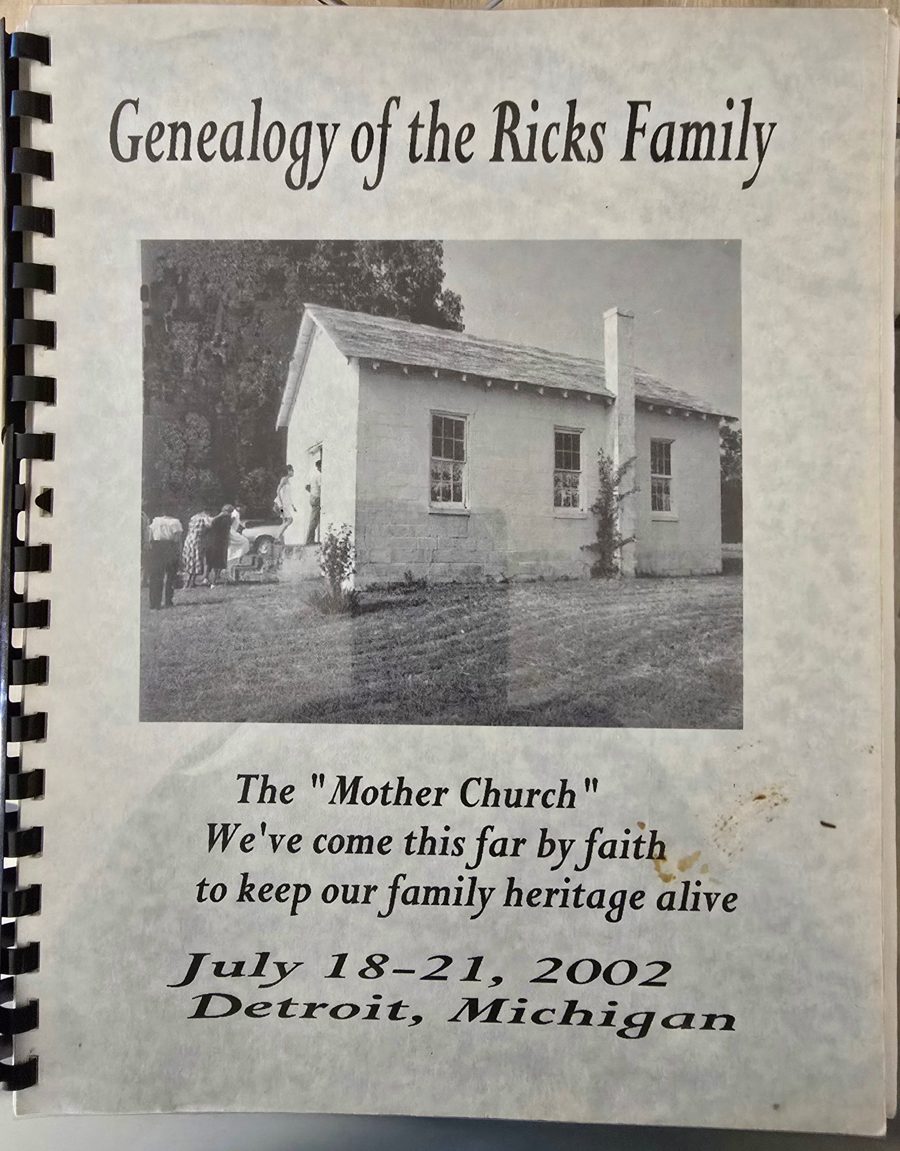
From Genealogy of the Ricks Family (2002)

  1. 1831

    Eliza Fort is born

    Born in August 1831, said to be on the Ricks Plantation in Leighton, Alabama.

  2. 1834

    George is born in Liberia

    Born November 1834, a native of Liberia, West Africa.

  3. 1846

    George is captured and sold at age 12

    He was sold into slavery in Jamestown, Virginia, to Abraham Ricks.

  4. 1856

    George and Eliza marry

    Married in March 1856 in Colbert County, Alabama. They would be married for over 44 years.

  5. 1870

    Named in the census

    The 1870 U.S. Census (Spring Valley Precinct, Colbert County) lists George, Eliza, and their children.

  6. Moonlight

    53 acres, earned by hand

    Working evenings by moonlight and on Saturday afternoons, George grew and sold enough cotton to buy 53 acres, free of mortgage. He became the first Black man to own property in North Alabama.

  7. Church

    The Mother Church

    His two-room log cabin served as both church and school for Black families in Colbert County. The first Black preacher in the Church of Christ in Alabama, he rode mules more than 100 miles into Mississippi to found congregations, the "branches."

  8. 1900

    More than 400 acres

    The family land grows past 400 acres, with 3 acres set aside as a cemetery for slaves and former slaves.

  9. 1901

    The cotton gin

    George owns and operates a horse-powered cotton gin.

  10. 1902

    Eliza passes

    Eliza Ricks dies, leaving a family rooted in faith and land.

  11. 1908

    George passes on Christmas Day

    He leaves each child a house and 50 acres of land.

  12. 2002

    The land remains

    130 acres, including the original 53, remain in the George Ricks estate.

  13. Today

    The family reunion

    With the help of George and Eliza’s grandson, Percy Ricks (Grant Ricks), we renew our family ties every two years from coast to coast at the family reunion.
Legacy Lane

What still stands in Colbert County

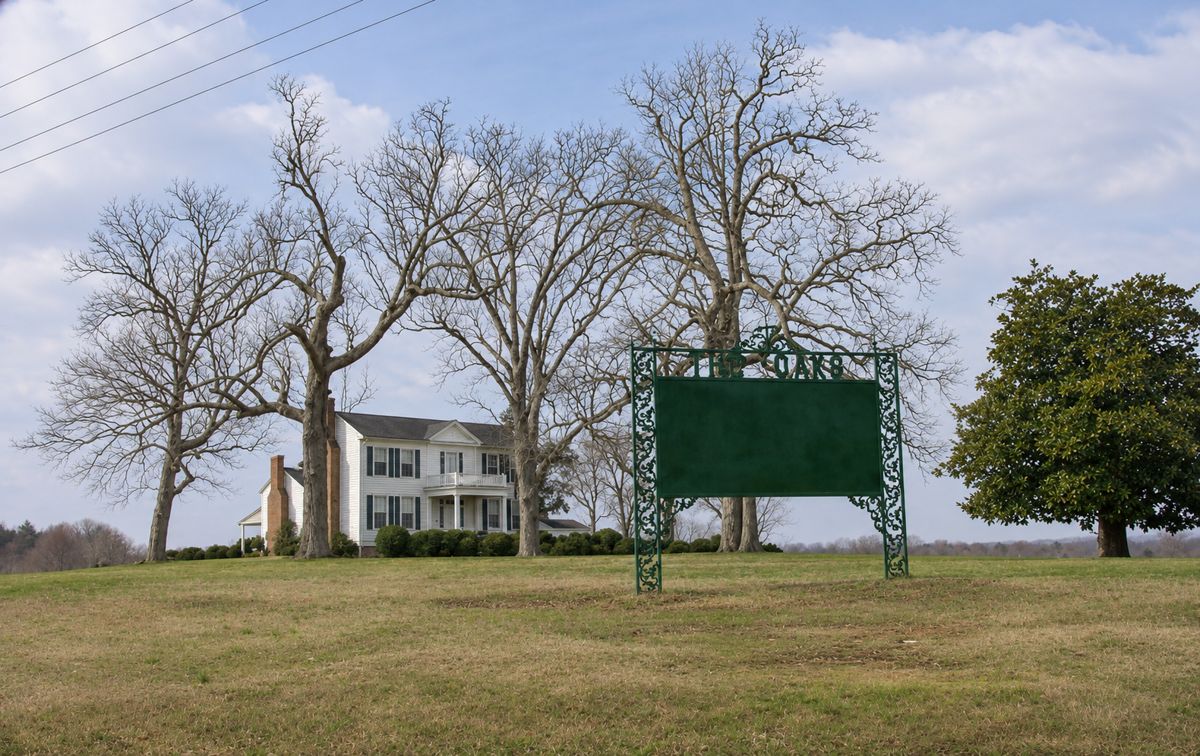
The Oaks, a white two-story plantation house behind tall bare trees and a green iron sign

The Oaks

The plantation house where George Ricks was enslaved. It's where our story begins.

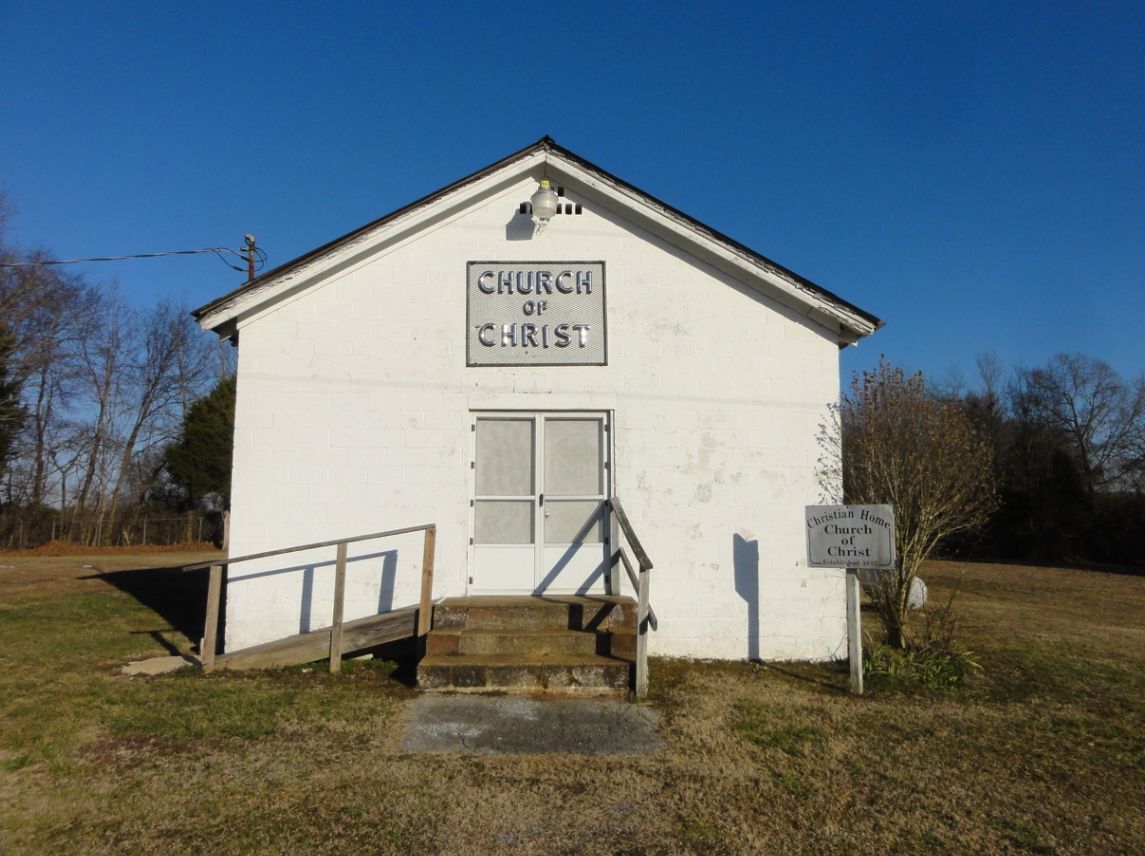
The Mother Church, a small white Church of Christ building with a Christian Home Church of Christ sign

The Mother Church

The first Church of Christ George founded for Black families. For many years it also served as the schoolhouse, and it still stands today.

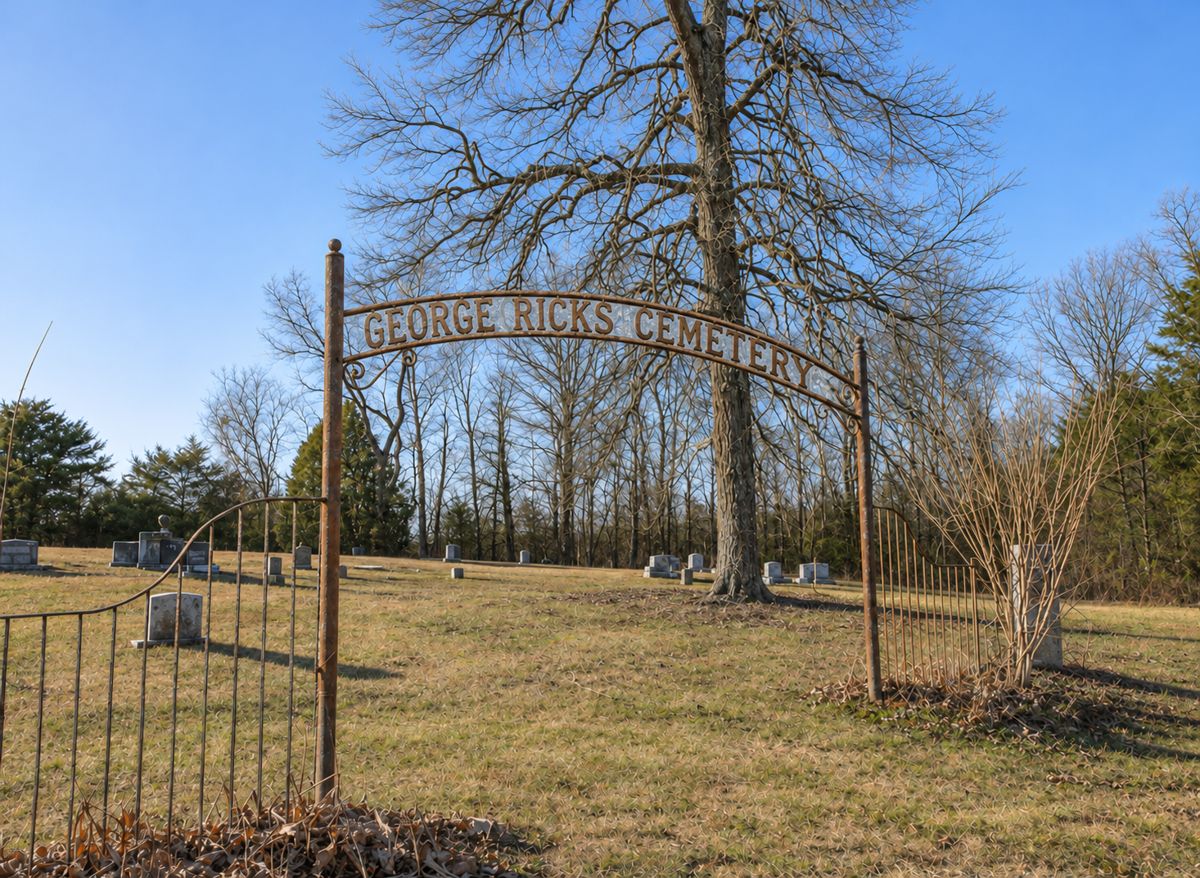
The iron arch gate of George Ricks Cemetery with headstones under a large tree

George Ricks Cemetery

Three acres George set aside as a burial ground for slaves and former slaves, a few yards from the church.

53original acres, bought with cotton
400+acres at the family's peak
130acres still in the estate (2002)
9children we all trace back to
The Nine Branches

Find your branch

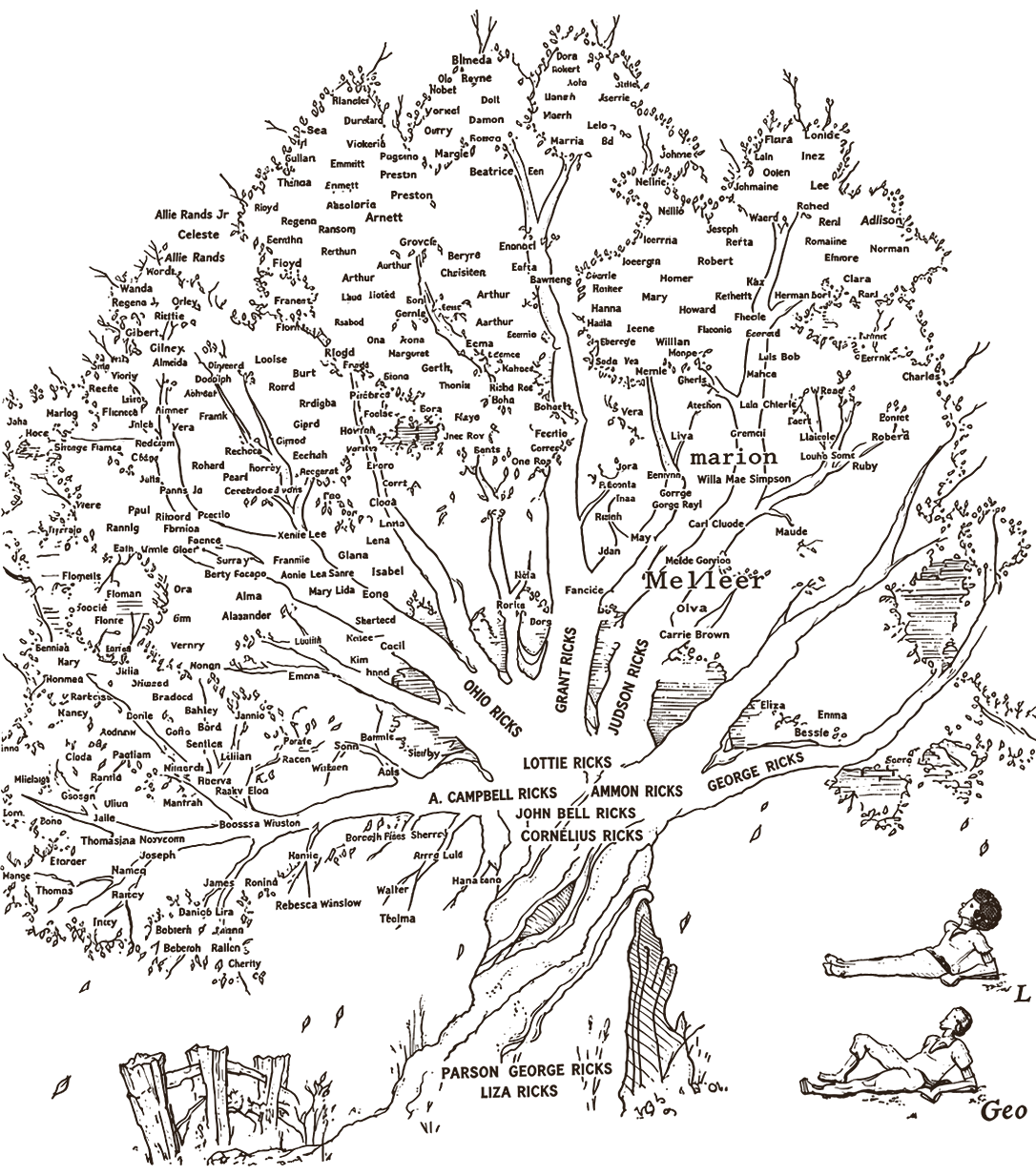
Every one of us descends from one of George and Eliza's nine children.

Branch 1

Cornelius Fort

Born 1847

Eliza's son

Branch 2

Ohio Ricks

1858 – 1930

Branch 3

Ammon Ricks

Born 1860

Branch 4

John Ricks

Dates to come

Branch 5

Grant Ricks

Born 1862

Branch 6

Lottie Ricks

Born 1862

Branch 7

Alexander Campbell Ricks

Born 1871

Branch 8

George Ricks, Jr.

Born 1872

Branch 9

Judson Ricks

1874 – 1965

Every branch's full family line is in the Ricks Family Genealogy Book.

Hand-drawn Ricks family tree with Parson George Ricks and Liza Ricks at the roots and the nine branches named on the limbs
The Ricks family tree, from Parson George and Liza Ricks at the roots to the nine branches. Tap to open it full size.